
Exploring the Great Outdoors: Why Mountain Biking Matters in PE
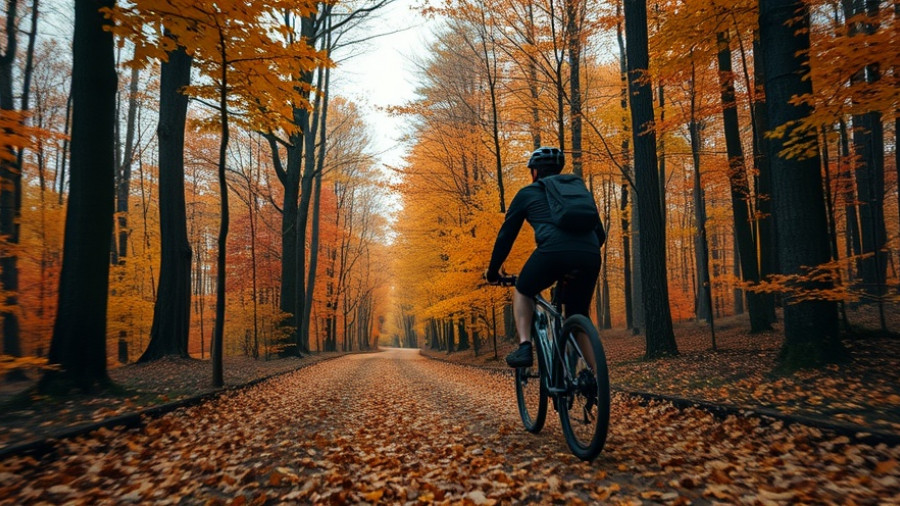
Physical Education (PE) is not just about traditional sports like basketball or soccer; it encompasses a wide range of activities that engage students in physical fitness while instilling values and life skills. At the University of Brighton, first-year PE teachers dive into Outdoor Adventurous Activities (OAA), one of which recently included an exhilarating mountain biking experience at Stanmer Park. This hands-on approach not only teaches future educators about the joys of biking but also highlights its significance in fostering a spirit of inclusivity and accessibility in PE.
Fostering Lifelong Skills Through Adventure
The enthusiasm shown by these student teachers during their mountain biking session is heartwarming. Many educators emphasize the importance of maintaining a positive attitude, especially when faced with challenging weather conditions. Simon Green, one of the PE lecturers, noted how discussing ways to motivate students when conditions are less than ideal can drastically improve teaching effectiveness. Teachers trained in outdoor environments often feel more equipped to teach adaptability and resilience to their future students, enhancing overall wellness and readiness for life's challenges.
The Growing Importance of Outdoor Activities in Curriculum
As highlighted in Brighton’s initiative, integrating outdoor activities such as mountain biking into the curriculum exposes students to diverse fitness opportunities, aligning with current trends in health and wellness. Research indicates that participation in such activities not only promotes physical health but also significantly contributes to mental well-being. This aligns with growing awareness around the benefits of anti-inflammatory foods and sustainable self-care, emphasizing a comprehensive approach to lifestyle enhancement.
Inclusivity in PE: Making Fitness Accessible for All
Mountain biking serves as a unique intersection where physical education meets social connection. Jason Gemberling's article from the Gopher PE Blog highlights several considerations educators must evaluate when incorporating biking into school curricula. Important factors, such as accessibility for all students, skill levels, and necessary equipment, must be taken into account, as engaging all students can be challenging. Embracing outdoor activities helps create inclusive environments that cater to various physical abilities, encouraging each child’s participation in their own way. This commitment to accessibility reflects the social dynamics of education today.
Community-Building Through Fitness
The benefits of mountain biking and other outdoor adventures don't stop with personal skills; they extend to community building as well. By participating in group outdoor activities, students learn teamwork, communication, and trust - skills essential for forming lasting relationships. The PE program’s focus on creating a supportive environment aligns with what Dr. Robert Pangrazi and seasoned educators emphasize in webinars about enhancing PE through outdoor education. Dr. Pangrazi, an advocate for this teaching model, notes that these skills are invaluable not only within educational settings but also in students' wider social interactions.
Future Predictions: The Evolution of PE Programs
Looking ahead, the incorporation of outdoor education into physical education is poised to grow. As society becomes increasingly aware of the numerous physical and mental health benefits associated with active lifestyles, schools will likely invest more resources into such programs. Future PE educators, like those training at Brighton, will play a crucial role in promoting outdoor activities, ensuring sustainability and wellness practices take center stage in curriculums across the globe. The expanding focus on holistic health in PE promises not only to elevate student fitness levels but also strengthen community bonds.
Taking Action: Embrace Outdoor Activities in Your Routine
For those inspired to make a difference beyond the classroom, consider incorporating outdoor adventures into personal or community activities. Whether it’s organizing hikes, bike rides, or fitness classes, outdoor settings can dramatically enhance physical and emotional well-being. Engage with local parks and recreation initiatives to create space for healthy community interactions, embodying the strong values of health, inclusivity, and connection.
As society embraces these trends, it’s essential for everyone to understand the value behind engaging more deeply with the outdoors. Explore local programs or simply gather a group to experience cycling in your neighborhood. This small step can pave the way for healthier lifestyles grounded in community support.




Write A Comment