
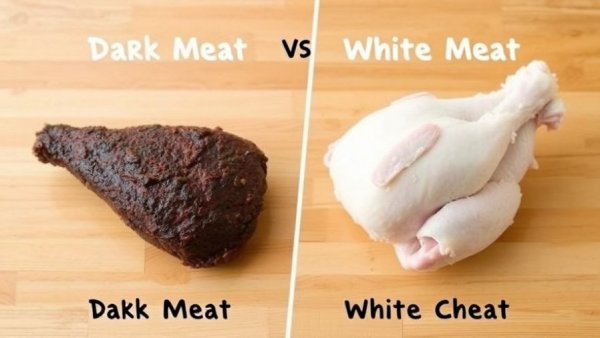
The Great Chicken Debate: Dark Meat vs. White Meat
The ongoing debate between dark meat and white meat chicken has left many questioning which option truly reigns supreme. As health-conscious individuals in search of nutritious choices, knowing the distinctions between these cuts is essential for meal planning. Both types boast their own nutritional benefits and serve different culinary purposes, making it a challenge to determine a winner.
What Sets Dark Meat Apart?
Typically, dark meat comprises the thighs and drumsticks of the chicken, which benefit from muscles that are constantly in use. This vigorous activity leads to higher myoglobin levels, giving the meat its distinctive color and deeper flavor. The increased fat and collagen content in dark meat contribute not only to its juiciness but also to its ability to withstand longer cooking methods, making it an ideal choice for meals that benefit from slow roasting or braising. In settings where flavor is paramount, dark meat shines due to its rich taste and satisfying texture.
Why Choose White Meat?
On the flip side, white meat, which primarily consists of the breast and wing portions, holds unique appeal. With its leaner profile, white meat is higher in protein and lower in calories and fat. This makes it a go-to option for those aiming for a healthy diet or embarking on a weight loss journey. The versatility of white meat—able to shine in grilling, sautéing, or baking—fits seamlessly into various cuisines. For many home chefs, white meat also offers a blank canvas for spices and marinades, allowing creativity to flourish in every meal.
Cooking Considerations: Techniques That Make a Difference
When deciding between dark and white meat, cooking techniques matter greatly. Breast meat is more prone to drying out, so careful timing is vital. For instance, grilling or pan-searing can result in a tender, juicy breast if cooked to the correct temperature. However, dark meat is often more forgiving, remaining juicy even after extended cooking periods. For cooking enthusiasts, understanding this can elevate your culinary creations. Embracing cooking methods that suit each type of meat can enhance flavor and texture, making dinner a delightful experience.
The Nutritional Breakdown: Making the Healthier Choice
From a nutritional standpoint, both types bring something to the table. White meat chicken has approximately 137 calories and 3 grams of fat for a 3-ounce portion, while dark meat registers around 152 calories and 7 grams of fat. However, the trade-offs are nuanced: white meat is rich in niacin and selenium, while dark meat provides iron and zinc, essential for maintaining energy levels and a healthy immune system. Understanding these nutrients can empower you to make informed choices that match your dietary needs!
Synchronizing with Your Nutrition Goals
The choice between dark and white meat depends largely on individual nutrition goals. If lean protein is the priority, skinless white meat is the clear champion. On the other hand, if a filling, flavorful dish is the aim, dark meat steals the show. This flexibility allows for creativity in meal planning. The best strategy is not necessarily to choose one over the other but rather to incorporate both selections, tailoring them to your recipes and preferences. Many find that alternating cuts throughout the week helps maintain interest and excitement in their meals!
Practical Tips for Health-Conscious Eaters
- Mind the Cooking Method: Choose healthy cooking techniques like grilling or baking instead of frying to enhance nutritional value.
- Monitor Serving Sizes: Whether you prefer dark or white meat, be conscious of portion sizes to align with your dietary objectives.
- Include Varieties: For large family meals, consider cooking a whole chicken or a mix of parts so everyone can select their preferred cut. This strategy not only caters to individual tastes but also offers a stunning presentation on the dinner table.
Food Pairings to Maximize Benefits
Complement your chicken choice with energy-boosting foods and natural brain boosters. Dark meat pairs beautifully with robust vegetables or grains, such as hearty pastas or quinoa. Conversely, the leaner white meat can be enhanced with flavorful marinades or tangy sauces to elevate taste without compromising health benefits. Incorporating whole grains, leafy greens, and colorful vegetables alongside your chicken selection can create a balanced plate that is as visually appealing as it is nourishing.
Taking The Next Step in Healthy Eating
As you navigate the options between dark meat and white meat chicken, remember that both cuts can play integral roles in a balanced diet. They can support mental energy through their array of nutrients, help you feel satisfied, and add variety to your plate. The key is to choose the type of meat that aligns best with your culinary aspirations and nutrition goals. Eating a variety of proteins can keep you satisfied and engaged with your healthy eating journey.
Ultimately, the best approach to chicken consumption is not choosing one option for good but enjoying both. Embrace a mix of cuts to enjoy their unique flavors and health advantages. And as you prepare meals, tracking what you eat can provide deeper insights into your dietary habits—consider technology like MyFitnessPal, which can facilitate this process. Utilizing such tools can assist you in understanding how different cuts fit into your overall nutrition landscape.
While it's crucial to make informed food choices, it's equally important to enjoy the journey. So, get creative in the kitchen, combine flavors, and savor each bite! The art of cooking is not just about nourishment but about bringing joy to your meals and those you share them with.
Start making healthier choices in your meals today; experiment with both dark and white meat in your kitchen creations, and find out which one resonates more with your culinary style! Celebrate the diversity of chicken and enjoy the myriad flavors it can bring to your dining experience!







Write A Comment